
When you extinguish your final cigarette, the decision feels mental, but the response is entirely physical. The human body is remarkably resilient. Almost immediately after nicotine and carbon monoxide are removed from your bloodstream, your body initiates a massive, complex biological repair sequence.
Executive Summary & Research Finding
Curious about the quit smoking timeline? Discover exactly how your heart, lungs, and blood pressure recover at 20 minutes, 24 hours, and beyond.
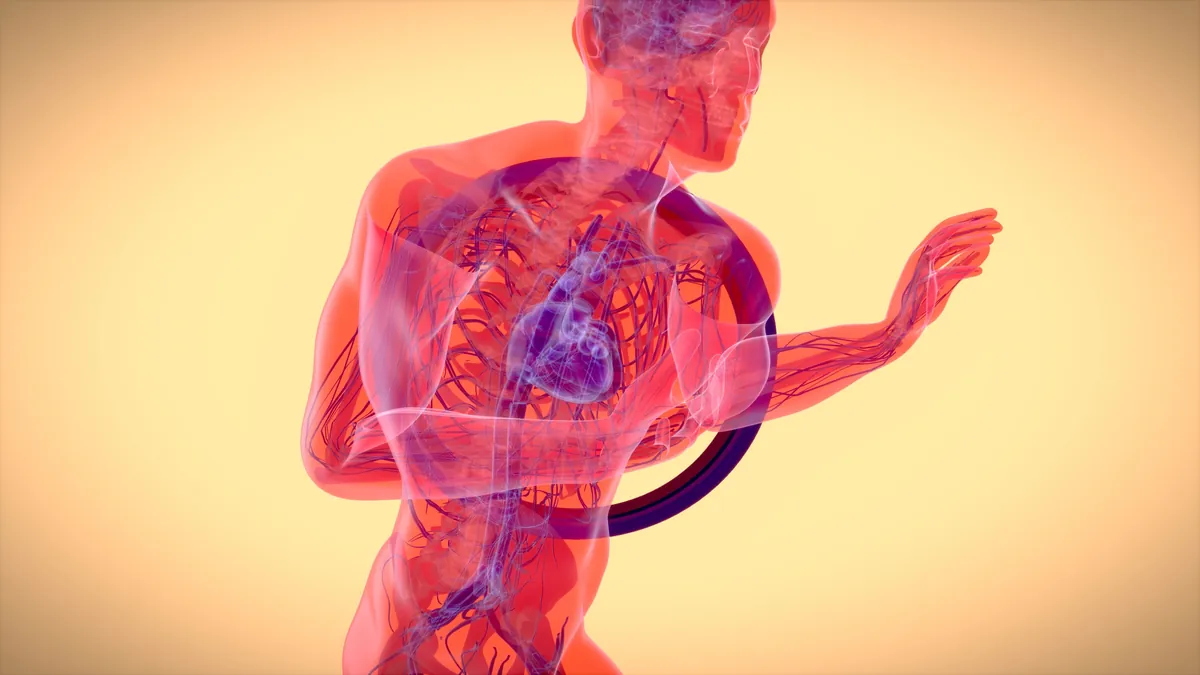
Understanding this timeline is a powerful motivational tool. When nicotine cravings hit hard, knowing exactly what your body is accomplishing on a cellular level can give you the willpower to resist. Using a dedicated app like the Quit Smoking Tracker allows you to monitor these health recovery milestones in real time. Let’s explore exactly what happens to your body after you quit, according to clinical data from the World Health Organization (WHO) and the CDC.
The First 24 Hours: Acute Detoxification
20 Minutes: The Immediate Relief It only takes 20 minutes for your cardiovascular system to begin stabilizing. Your heart rate, which is artificially elevated by the stimulant effects of nicotine, drops back down to a normal resting pace. Your blood pressure also decreases, and circulation in your hands and feet begins to improve.
8 to 12 Hours: The Oxygen Rebound Cigarette smoke contains high levels of carbon monoxide (CO), a toxic gas that binds to your red blood cells faster than oxygen, suffocating your body's tissues. Within 12 hours of quitting, the CO level in your blood drops to normal, allowing your oxygen levels to rebound. This is why many former smokers notice a sudden burst of energy on their first smoke-free day.
24 Hours: Heart Attack Risk Decreases By the end of your first full day, your risk of suffering a heart attack has already begun to drop. The anxiety and irritability of nicotine withdrawal will be peaking, but biologically, your cardiovascular system is experiencing profound relief.
The First Month: Senses and Circulation
48 Hours: Taste and Smell Return Smoking severely damages the nerve endings in your nose and mouth. Around the 48-hour mark, these nerve endings begin to heal. You may suddenly notice that food tastes much richer and scents are sharper.
72 Hours: The Nicotine is Gone By day three, all residual nicotine has been completely flushed from your body. Because the chemical is gone, the withdrawal symptoms are now entirely psychological. Your bronchial tubes also begin to relax, making breathing noticeably easier.
2 to 4 Weeks: Circulation and Lung Function During this window, your lung capacity improves by up to 30%. You will notice that physical activities—like climbing a flight of stairs or going for a walk—leave you much less winded.
Long-Term Recovery: 1 to 15 Years
1 to 9 Months: The Cilia Regrow The tiny, hair-like structures in your lungs (cilia) that sweep out mucus and dirt begin to regrow and restore their normal function. This reduces your risk of respiratory infections. 'Smoker's cough' typically disappears during this window.
1 Year: Heart Disease Risk Halved Congratulations! At the one-year mark, your risk of coronary heart disease is exactly half that of a current smoker. This is a massive health recovery milestone.
10 Years: Lung Cancer Risk Plummets After a decade smoke-free, your risk of dying from lung cancer drops to about half that of a person who is still smoking. The risk of cancers of the mouth, throat, esophagus, bladder, and pancreas also decreases significantly.
15 Years: Total Cardiovascular Reset Fifteen years after quitting, your risk of coronary heart disease is finally equivalent to that of a non-smoker. Your body has effectively reversed the cardiovascular damage caused by smoking.
Quitting smoking is a marathon, not a sprint. By tracking these specific biological milestones in an app, you can turn an abstract concept ('getting healthier') into a tangible, measurable game.
Vape Nicotine Salt to Cigarettes & Tapering Calculator
Convert high-potency vape nicotine salt liquids ($20 ext{mg}$ to $50 ext{mg/mL}$) into equivalent packs of cigarettes and get an evidence-based 4-week step-down plan.
Recommended 4-Week Nicotine Step-Down Protocol:
Quit Smoking & Nicotine Recovery Calculator
Calculate money saved, cigarettes avoided, and biological recovery milestones since quitting tobacco or vapes.