Moving into a newly rented apartment or leased home is an exciting milestone. You have signed the lease, received the keys, and are ready to unpack your life. However, before arranging furniture and settling in, security-conscious tenants must address an uncomfortable reality: previous tenants, rogue maintenance personnel, or unscrupulous landlords could have left covert surveillance equipment behind.
Executive Summary & Research Finding
Learn how to inspect a newly rented apartment or leased house for hidden surveillance cameras. Comprehensive room-by-room tenant privacy audit checklist.
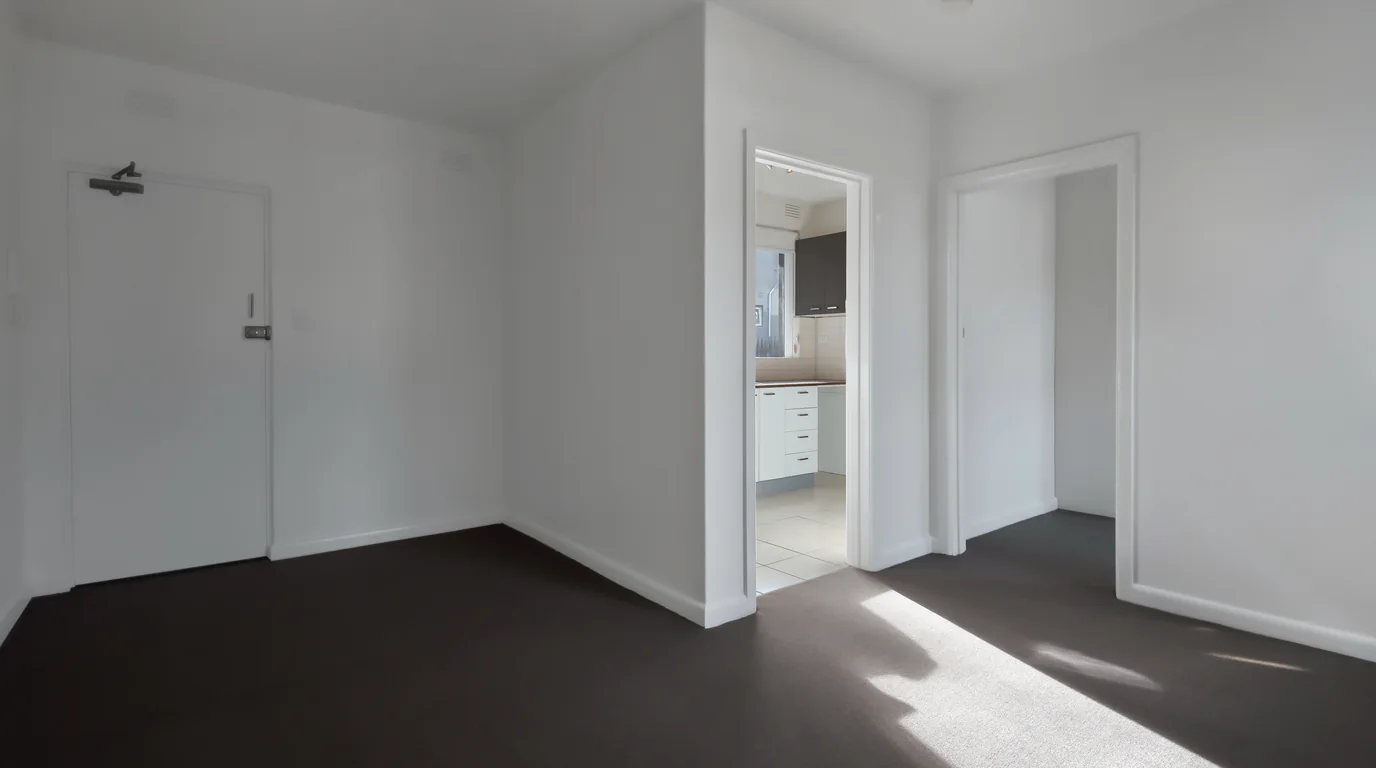
An empty apartment offers the perfect operational window to perform a comprehensive Technical Surveillance Countermeasures (TSCM) audit. Without furniture, clothing, and personal gadgets cluttering the space, conducting a systematic room-by-room sweep takes less than 15 minutes.
Tenant Legal Rights: The Expectation of Privacy
In nearly all democratic jurisdictions (including the United States, United Kingdom, Canada, and European Union member states), tenants enjoy an absolute legal right to quiet enjoyment and an expectation of privacy within leased residential premises. A landlord is legally prohibited from installing cameras inside any area of an exclusive-use apartment, including living rooms, bedrooms, and bathrooms. Doing so constitutes a criminal violation of wiretapping and voyeurism statutes.
Room-by-Room Move-In Sweep Checklist
| Room / Area | Key Fixtures to Audit | Concealment Risk | Recommended Sweep Method |
|---|---|---|---|
| Master Bedroom | Smoke alarms, AC outlets, ceiling fan mounts | Critical | Optical flashlight glint + Magnetic sweep of wall outlets |
| Ensuite Bathroom | Exhaust fan grilles, medicine cabinet, mirror frame | Critical | Two-way mirror fingernail test + Knuckle acoustic knock |
| Living Room | HVAC return vents, recessed lighting cans | High | High-intensity flashlight sweep through all vent louvers |
| Kitchen | Microwave trim, under-cabinet lighting strips | Medium | Physical inspection of abnormal wiring harnesses |
| Entry Hallway | Intercom panel, peephole housing, doorbell | High | Check peephole for reverse-optic lenses or micro-cams |
The Electrical Sub-Panel & Wi-Fi Audit
If your leased apartment comes with landlord-provided Wi-Fi or pre-installed smart home infrastructure, do not connect your personal devices until you audit the network. Connect your smartphone and run Hidden Camera Detector App. Audit the connected device inventory for rogue network bridges, hidden RTSP streaming feeds, or unrecognized smart hubs.
Frequently Asked Questions
Can a landlord put security cameras in common apartment hallways?
Yes. Landlords are generally permitted to monitor shared building common areas (such as external building entrances, shared stairwells, and mailrooms) for security purposes, provided cameras do not peer into private apartment interiors.
What should I do if I find a camera in my newly leased apartment?
Do not touch or dismantle the device. Photograph and record high-resolution video of the device in place, leave the apartment immediately, and file an emergency police report. Contact a tenant rights attorney before communicating with the landlord.
Hotel & Airbnb Privacy Safety Score Assessment
Complete this interactive 5-point inspection checklist to evaluate your room's surveillance risk index.